The Royal Cup
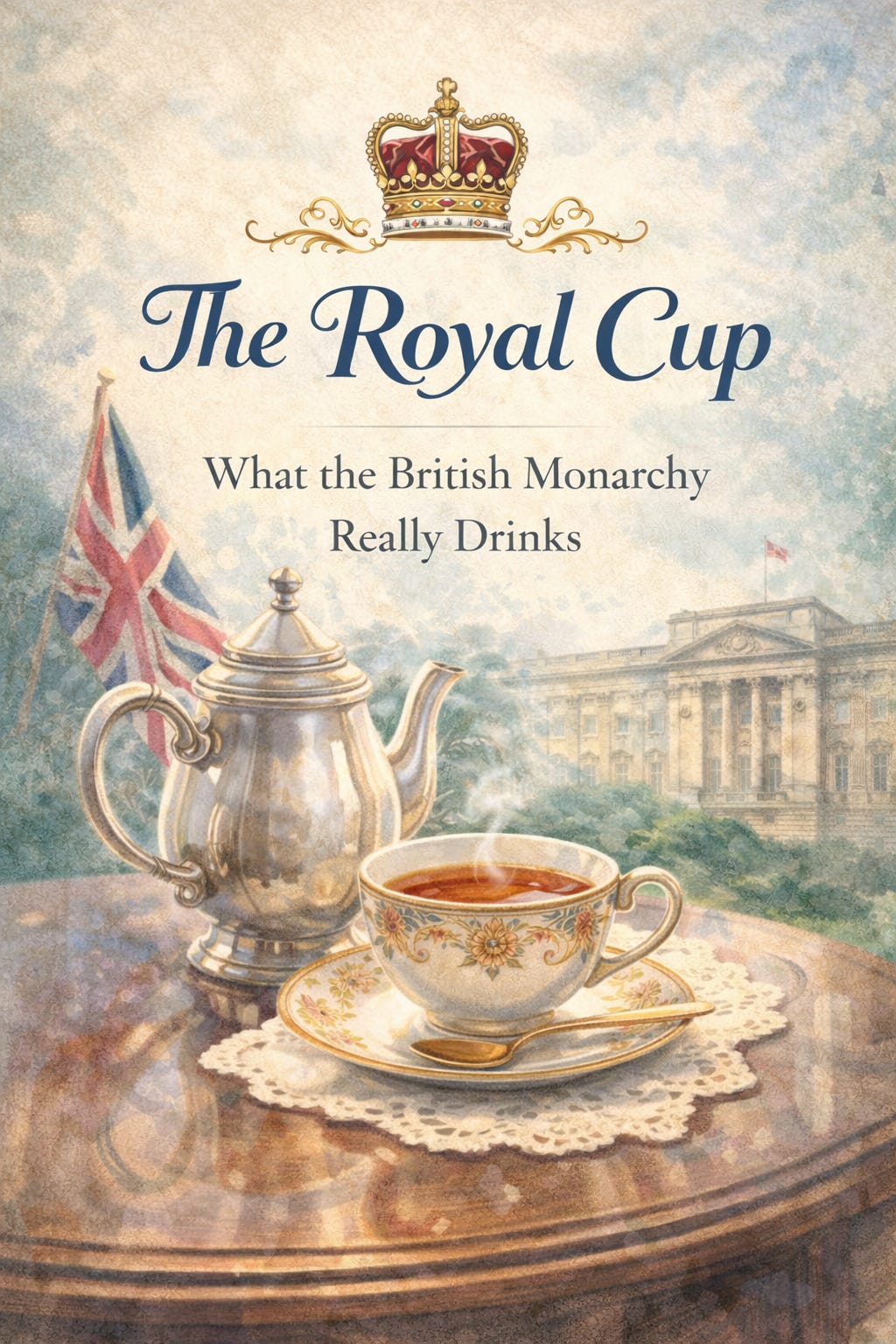
What the British monarchy really drinks
Tea and the British monarchy are often spoken of as inseparable. The image is familiar with fine china and silver teapots and afternoon tea served with precision and grace.
But the reality of royal tea drinking is far more practical, restrained, and consistent than popular imagination suggests. It is not about novelty blends or theatrical spreads. It is about tradition, routine, and reliability.
To understand what the monarchy really drinks, we must look beyond modern marketing and into the habits of the court itself, particularly during the reign of Queen Elizabeth II whose personal preferences quietly shaped contemporary perceptions of royal tea.
Tea as a royal institution
Tea arrived in England in the seventeenth century, first gaining popularity at court during the reign of Charles II and his Portuguese wife, Catherine of Braganza. What began as a fashionable import quickly became a marker of refinement and social order.
By the eighteenth century, tea was firmly embedded in aristocratic life. It was consumed daily, served formally, and governed by etiquette. For the monarchy, tea became more than a beverage. It became a ritual of continuity because at court, consistency mattered. The same applies to tea.
What Queen Elizabeth II actually drank
Despite countless rumors and branded associations, Queen Elizabeth II was known for her remarkably simple and consistent tea preferences.
Her favored tea was black tea, most often Assam based blends. These teas offered strength, clarity, and reliability. Qualities that aligned well with the structure of royal life.
She reportedly preferred her tea:
• Strong
• With milk
• Without sugar
There is no evidence that she favored exotic blends, flavored teas, or novelty infusions. Her choices reflected tradition rather than trend.
This simplicity is often misunderstood as austerity. In reality, it reflects confidence. When something works, there is no need to embellish it.
The role of afternoon tea at court
Afternoon tea at royal residences is not a casual affair, but neither is it indulgent in the modern sense.
Tea is served as part of a structured daily rhythm. The focus is on hospitality, not spectacle. Food is restrained and presentation is immaculate and conversation is central.
At Buckingham Palace and Windsor Castle, tea service follows protocol, but it is designed to be welcoming rather than performative. Guests are served tea that is familiar and accessible, not experimental.
Tea at court is about making others comfortable, not impressing them.
Royal warrants and tea suppliers
Several tea companies have held royal warrants over the years, allowing them to supply tea to the royal household.
These warrants do not indicate personal favorites so much as reliability, quality, and consistency of supply. The monarchy values suppliers who can deliver the same product, to the same standard, without interruption.
This reinforces an important point. Royal tea culture prioritizes dependability over novelty.
How royal tea preferences evolved over time
While Queen Elizabeth II favored traditional black teas, earlier monarchs had different relationships with tea.
In the Georgian era, green tea was fashionable among the elite. By the Victorian period, black tea had become dominant, aligning with the rise of afternoon tea culture and the expansion of the British Empire’s tea trade.
Each era reflected broader social and economic realities. What remained constant was the monarchy’s role in setting tone rather than chasing taste.
Tea at court mirrored the nation’s habits rather than dictating them outright.
The symbolism of tea in royal life
Tea functions as a quiet symbol within the monarchy.
It represents:
• Stability
• Continuity
• Restraint
• Hospitality
Tea is present at moments of formality and moments of informality. It bridges public duty and private routine.
This dual role is why tea endures at court. It adapts without losing its identity.
What the royal cup teaches us about tea culture
The most revealing lesson from royal tea habits is not what is drunk, but how it is approached.
Royal tea is not about abundance, but rather intention. It is not about rarity, but familiarity. It is not about indulgence, but about ritual.
In a world increasingly obsessed with the new and the novel, the monarchy’s approach to tea reminds us that comfort and consistency carry their own quiet authority.
Recreating a royal inspired tea moment at home
You do not need palace china or silver trays to channel the essence of royal tea.
Choose a well made black tea, and brew it properly. Serve it hot.
Add milk if you enjoy it. Skip sugar if you prefer clarity.
Set the cup down thoughtfully and sit while drinking without distraction.
Royal tea culture is not about hierarchy. It is about respect for the moment.
And that is something anyone can practice.
A cup rooted in continuity
The British monarchy’s relationship with tea is not built on extravagance or myth. It is built on habit, tradition, and care.
The royal cup is steady and reliable. It is familiar.
And perhaps that is why, century after century, tea remains one of the most enduring symbols of British life both inside and far beyond the palace walls